



Oral Surgery – Comprehensive Care and Patient Comfort!
Specialized procedures without pain, in a friendly atmosphere.
Join our satisfied patients.
Book a consultation today!
Dental surgery is a key field of dentistry that focuses on the diagnosis and surgical treatment of oral diseases, teeth, and surrounding tissues. Thanks to technological advancements and modern treatment methods, surgical procedures today are precise, minimally invasive, and painless.
At our clinic, we offer a wide range of dental surgical procedures, including:
- Tooth extractions, including the removal of impacted wisdom teeth and problematic teeth
- Apicoectomy, when root canal treatment is not sufficient
- Frenulectomy and frenulotomy, surgical correction of lip or tongue frenulum
- Preparation for implant treatment, including sinus lift and guided bone regeneration
We are equipped with state-of-the-art technology, allowing us to plan and perform procedures in a comfortable and safe manner. Using digital 3D diagnostics, modern surgical techniques, and advanced anaesthesia systems, we ensure that even complex procedures are carried out quickly and painlessly.
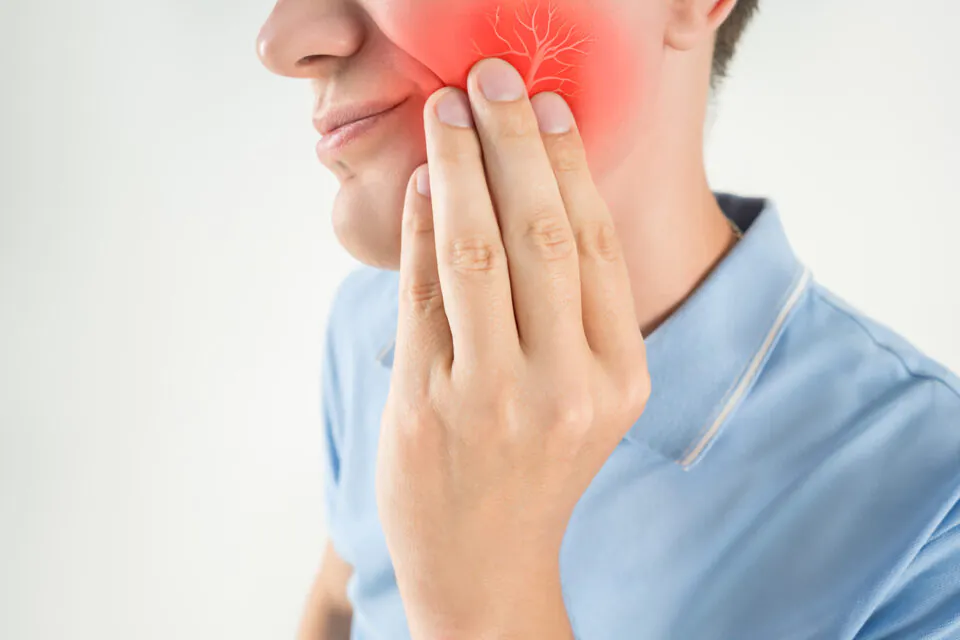
Are you afraid of visiting a dental surgeon?
With us, there’s nothing to worry about!
Thanks to cutting-edge equipment and advanced surgical techniques, we guarantee precise, comfortable, and safe treatments.
We specialise in pain-free extractions, wisdom tooth removal, treatment of oral mucosa lesions, and oral preparation for implants. Every procedure is carried out with the utmost care to ensure your comfort and a speedy recovery.
Trust the experts and experience modern dental surgery!
Schedule a consultation and take care of your health without stress.
Top-Level Surgical Services
In addition to standard surgical techniques, our clinic offers advanced procedures made possible by the latest equipment:
- NSK Piezosurgery. This ultrasonic technique enables micrometric cutting, allowing surgical procedures to be performed with exceptional precision, accuracy, and safety. It results in minimal tissue trauma, and the surgical area remains largely blood-free. This is especially important in implantology, bone grafting, or surgeries supporting orthodontic treatment. The piezosurgical tip does not damage soft tissues, ensuring safe treatment near delicate anatomical structures such as blood vessels, nerve fibres, or the sinus membrane. This is crucial for procedures requiring the highest level of precision. Piezoelectric surgical techniques make sinus floor elevation safer and more predictable, reducing the risk of membrane perforation. They also allow for harvesting of blocks or chips, which are essential for many augmentation procedures prior to implant placement.
Advantages of Piezosurgery: precision, blood-free surgeries, safety, more effective treatment, and faster recovery.
- XO Odontosurge Electrosurgical System. A high-frequency electrosurgical knife used for soft tissue procedures, creating clean, dry incisions. Its standout feature is automatic cutting power regulation – an innovative solution in electrosurgery. The immediate coagulation of tissues ensures virtually blood-free surgeries and significantly shortens healing time.
- PRF Centrifuge. The use of platelet-rich plasma in surgery accelerates the healing of both hard and soft tissues and reduces the recovery time after surgery. PRF (platelet-rich fibrin) is an autogenous material obtained by centrifuging the patient’s own blood. Owing to its high concentration of leukocytes, growth factors, and fibrin networks, it serves as an excellent matrix for tissue healing and regeneration.
- NSK Implantology Physiodispenser. This device is used in oral surgery and implantology. It allows for procedures such as osteotomy, root apex resection, and bone modelling. In implantology, it ensures safe dental implant placement by preparing the bone, threading the osteotomy site, and inserting the implant into position.
Surgical Procedures
Tooth Extraction
Tooth Extraction. Tooth extraction involves removing a tooth by separating it from its surrounding tissues and lifting it out of the socket. It is considered a last resort, and our dentists use the latest treatment methods to preserve the tooth whenever possible.
Surgical Extraction
Surgical Extraction. This refers to the removal of retained roots or teeth that are impacted within the bone. Impacted teeth are those that, despite completed development, fail to erupt. This most commonly involves wisdom teeth but may also affect upper canines, upper and lower incisors, and premolars. Surgical removal is more complex than a simple extraction, but thanks to the experience of our dentists, the procedure is comfortable for the patient, and proper wound care helps ensure faster healing.
Abscess Incision
Abscess Incision. Abscesses develop as a result of acute infection around the root of a tooth. In such cases, an incision and drainage procedure is performed under local anaesthesia, followed by the trepanation of the tooth chamber to remove the purulent content. Further treatment depends on the extent of tooth damage and may involve either root canal treatment or extraction.
Cyst Removal
Cyst Removal. Periapical cysts usually represent a late stage of infection around the tooth root. Removal of the cyst often requires resection of the root apex responsible for the infection. The procedure involves exposing the alveolar bone and removing a small part of it to access the lesion. Once the cyst is removed, the area is thoroughly cleaned and filled with bone substitute material. This supports bone regeneration, prevents atrophy, and helps maintain facial contours and proper occlusion. Healing typically takes about six months, during which strict adherence to the doctor’s instructions and regular check-ups are essential to ensure proper recovery.
Hemisection and Radectomy
Hemisection and Radectomy. These procedures are performed for multirooted teeth when endodontic treatment of one root is not possible or when inflammation in a single root cannot be treated conservatively. Radectomy involves removing the problematic root, while hemisection involves removing half of the tooth along with one root, leaving the remaining portion to be restored with a crown. Radectomy is typically performed on upper molars, while hemisection is carried out on lower molars.
Root Apex Resection
Root Apex Resection. It involves cutting off the apex of a tooth’s root and removing the surrounding inflammatory tissue at the same time. This creates favourable conditions for proper healing at the site of the removed lesion and may also help with bone regeneration using bone-stimulating materials. This is most commonly performed on single-rooted teeth in the front sections of the upper and lower jaw, helping to preserve the natural tooth and avoid extraction.
Frenectomy and Frenulotomy
Frenectomy and Frenulotomy. Frenula are connective tissue bands attaching the lips or tongue to the alveolar ridge. Abnormalities include frenula located too close to the teeth or those that are too short or thick, which may affect the gums, aesthetics, tooth alignment, or the stability of removable dentures. These issues are corrected through frenectomy or frenulotomy.
Frenectomy is a simple procedure involving the trimming of a short frenulum that restricts tongue or lip movement.
Guided Bone Regeneration (Bone Augmentation)
Guided Bone Regeneration (Bone Augmentation). Bone regeneration using biomaterials is an advanced dental technique aimed at rebuilding lost bone tissue. Biomaterials are biocompatible substances that do not trigger toxicity or immune reactions. One such material, Geistlisch Bio-Oss®, is used to stimulate the regeneration of bone structures. It helps rebuild bone in patients who:
- Are planning to receive implants but do not have sufficient bone tissue for their placement
- Have suffered bone loss due to periodontitis, threatening the stability of their their natural teeth
- Have experienced bone defects due to cyst removal or tooth extraction.
During the procedure, Geistlisch Bio-Oss® is combined with Geistlisch Bio-Gide® collagen membranes to speed up healing and protect the regenerating bone tissue.
Sinus Lift Procedure
Sinus Lift Procedure. The sinus lift is a pre-implantation surgery recommended for patients whose sinus floor is too low to allow safe placement of dental implants. The maxillary sinuses are air-filled cavities located in the maxillary bones beneath the eyes, with their floors positioned above the roots of the upper teeth. When a tooth beneath the sinus is lost, gradual bone loss occurs and the sinus expands into the area previously occupied by the roots and alveolar bone. As a result, the remaining bone height becomes insufficient for implant placement. In such cases, a sinus lift is necessary. It can be performed using either the open or closed technique, depending on the existing bone volume, the number of planned implants, and the surgeon’s preference.
The open technique involves creating a bone window in the lateral wall of the maxillary sinus. Through this opening, the sinus membrane is gently lifted, and bone graft material is placed underneath. The graft may be combined with platelet-rich plasma or growth factors to accelerate bone regeneration. The bone window is then covered with a barrier membrane, and the gum tissue is sutured. The advantage of the open technique is that it allows significant elevation of the sinus floor and visual control of the surgical area. However, it is more invasive and requires a longer healing time.
The closed technique involves placing bone material through a hole drilled in the alveolar ridge (usually for future implants). Using specialised tools, such as osteotomes, the sinus mucosa is gently lifted, creating a space beneath that is filled with bone graft material. The closed technique is less invasive than the open one and is associated with a shorter healing time. However, it only allows for sinus floor elevation of up to 3-4 mm and lacks visual control, which increased the risk of membrane perforation.
Safe Dental Surgery in Szczecin
Dental surgery is a crucial part of comprehensive dental care, but decisions regarding procedures should always be made after a thorough evaluation of the patient’s health.
To ensure patient safety, we offer professional consultations before any surgical procedure. A detailed medical interview, precise diagnostics, and clearly defined goals enable our doctors to develop an individualised treatment plan tailored to each patient’s needs.
Additionally, thanks to modern techniques and advanced anaesthesia methods, surgical procedures are carried out safely and comfortably, minimising pain and reducing the risk of complications.
Our team of specialists is here to help you choose the best solution for your health and comfort.
Contact Us