



A way to restore a full, beautiful, and healthy smile!
Aesthetics, comfort, and freedom in everyday life!
A durable and aesthetic solution for missing teeth – trust our specialists.
Join our satisfied patients.
Book a consultation today!
..
. . .
Dental implants
Dental implants are one of the most effective and aesthetic prosthetic solutions available in modern dentistry. They are an ideal option for patients who have lost one or more teeth, offering not only a natural appearance but also full functionality. Unlike traditional dental bridges, implants do not require the preparation of healthy adjacent teeth, allowing the natural tooth structure to be preserved.
- Moreover, dental implants offer a major advantage in preventing bone loss in areas where teeth are missing. Traditional dentures, bridges, and crowns can accelerate bone resorption, whereas implants help maintain bone structure because they integrate directly with the bone, mimicking a natural tooth.
- Modern implants restore full dental functionality, enabling patients to regain almost complete chewing strength and to enjoy their favourite food without restrictions. There is no need to worry about loose dentures or bridges—implants are stable, durable, and provide comfort that closely replicates natural teeth.
- Additionally, due to their unique properties, implants also support overall oral health, preventing further dental issues such as tooth shifting or uneven bite pressure.
- With dental implants, you can regain not only oral health but also self-confidence. Their aesthetic appearance, comfort, functionality, and durability make dental implants a true investment in your health and a long-lasting smile.
The Loss of Even a Single Tooth Affects Daily Functioning!
Missing teeth are not only an aesthetic issue but also a serious health concern. The loss of even a single tooth can have significant consequences. After an extraction, adjacent teeth lose their natural support, and start shifting towards the empty space, becoming misaligned, or even tilting. Displacement of teeth from their natural anatomical position can lead to bite problems, which may in turn damage the temporomandibular joint (TMJ). This can result in headaches, jaw pain, ear discomfort, or jaw clicking during yawning and chewing. Additionally, in the area where the tooth was lost, progressive bone resorption takes place.
What is a Dental Implant?
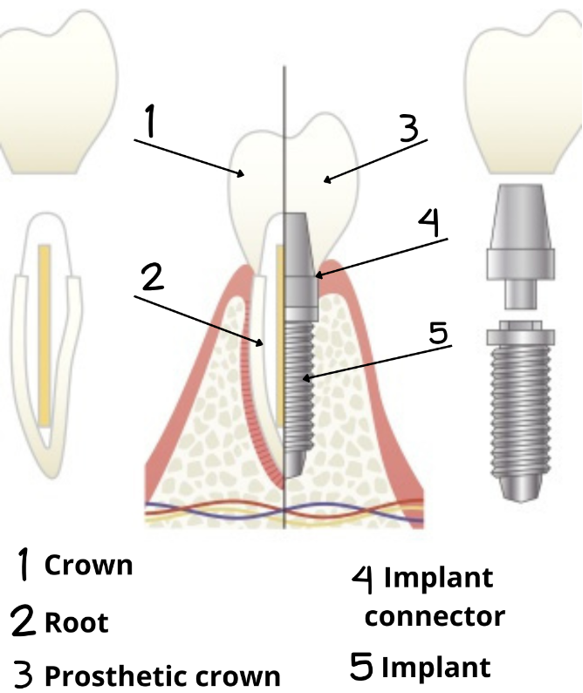
A dental implant is a common term referring to three permanently connected components:
- The implant – a titanium screw surgically inserted into the patient’s bone, where it integrates with the bone and functions as a tooth root.
- The abutment – a connector that links the implant with the prosthetic crown.
- The crown – the prosthetic restoration placed on top.
Thanks to this design, implants embedded in the patient’s bone provide a stable foundation for new, artificial tooth crowns. Together, the implant and the crown fully restore the physiological function, aesthetics, and mechanics of natural teeth.
This is the only solution that not only fills gaps in the dentition but also provides the same functionality as natural teeth. It restores the patient’s natural appearance while replicating the physiological function of natural teeth and the mechanics of the chewing system. Dental implants can be used to replace single missing tooth or to restore an entire arch in cases of complete tooth loss.
Indications for Implant Placement:
- Missing a single tooth
- Missing several adjacent teeth
- Absence of permanent tooth buds
- Complete edentulism of the upper or lower jaw
- Intolerance to traditional removable dentures
- Increasing the number of abutments for a future dental bridge
Restoring missing teeth not only improves chewing efficiency but also boosts self-confidence and enhances overall well-being.
Dental Implants – Where to Start? Initial Examinations!
Implant treatment is always preceded by a thorough diagnostic process, which includes:
1. Medical interview
This provides an overview of the patient’s general health, including conditions that may contraindicate the procedure, such as heart, lung, liver, or thyroid diseases, uncontrolled diabetes, osteoporosis, or blood clotting disorders.
2. Clinical examination
Assessment of the implant site, including mucosal condition (thickness, colour, mobility), presence of caries in the remaining teeth, periodontal condition, periapical changes in adjacent teeth, and the state of the edentulous area (width and height of the alveolar ridge).
3. X-ray examination
A panoramic radiograph is used to evaluate quantity and quality of bone that will support the implant, as well as to assess anatomical structures that may influence treatment planning (maxillary sinus, nasal cavity, nerve canals).
4. CT scan
It provides a highly detailed three-dimensional assessment of critical factors, such as bone density, tooth position within the alveolar ridge, relationship with neighbouring and opposing teeth, and proximity to anatomical structures (nerve canals or maxillary sinuses).
In implant procedures, all these factors determine the correct choice and precise positioning of the implant, ensuring patient comfort, a predictable treatment outcome, and a shorter procedure time.
Remember!
Before implantation, all remaining teeth and gums should be in a healthy condition!
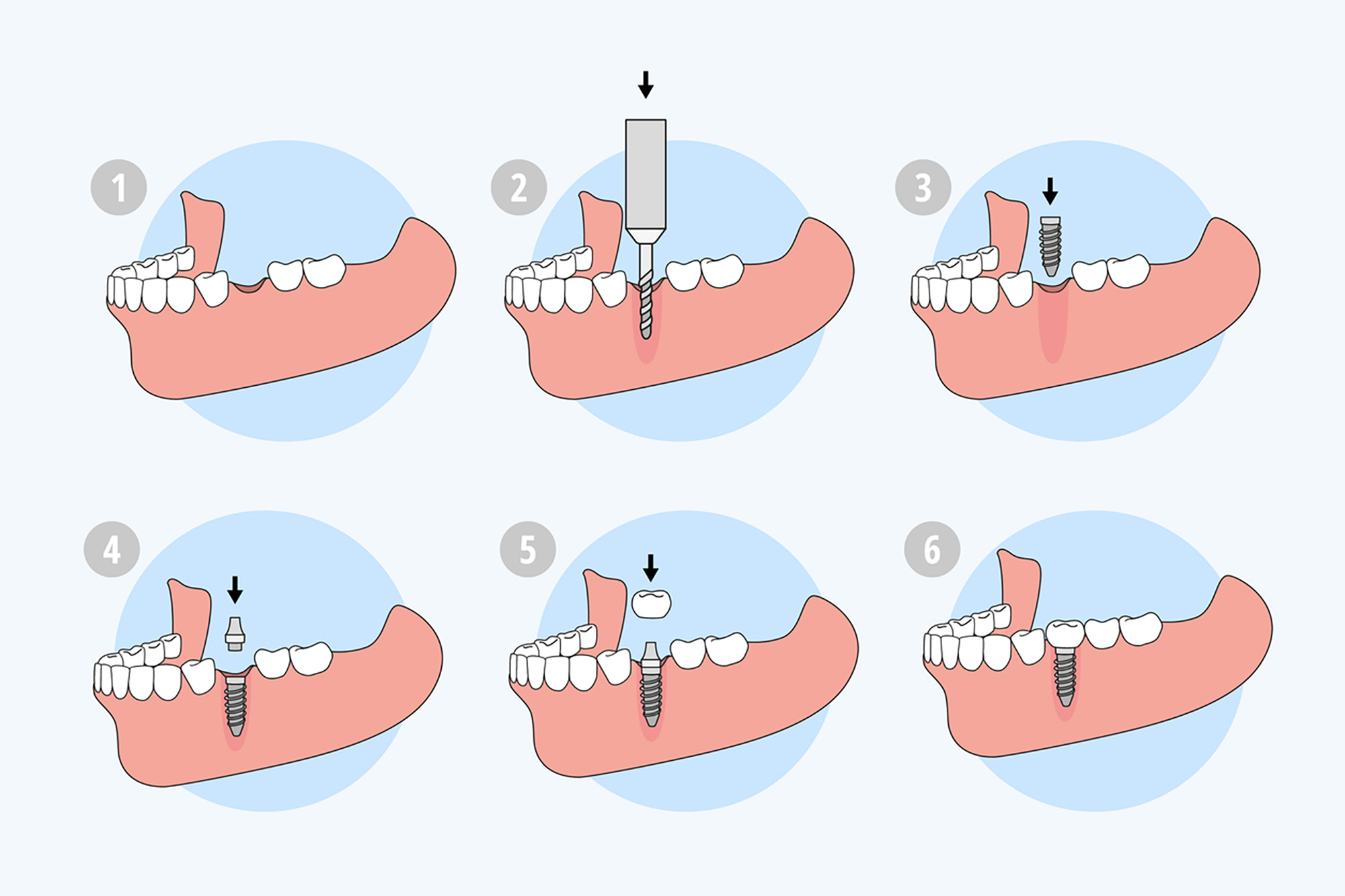
Stages of Implant Placement
When is Bone Reconstruction Necessary?
The success of implant placement depends on having an adequate amount of bone tissue – both in height and width – to securely anchor the implant. Only then can long-term stability of the dental implants be ensured. In patients with significant bone loss, guided bone regeneration (GBR) becomes necessary before implantation. These procedures help create high-quality bone tissue in the desired area, allowing for the successful placement of dental implants, which serve as the foundation for future prosthetic restorations.
What is Guided Bone Regeneration (GBR)?
In simple terms, GBR involves placing a bone substitute material (such as Geistlich Bio-Oss®) in the reconstruction area and covering it with a special barrier membrane (Geistlich Bio-Gide®). Over the course of several weeks, natural regenerative processes transform the material into the patient’s own bone tissue, creating a strong foundation for implant placement.
Is implant placement painful?
Implant surgery does not cause significant discomfort and does not require taking time off work. It is performed under local anaesthesia. After the procedure, the patient receives painkillers and a cold compress to reduce swelling and support wound healing. For a few days, mild discomfort may persist, such as swelling of the mucosa, tenderness or a slightly elevated temperature.
Occasionally, more troublesome symptoms may occur, such as swelling, bruising, pain, fever, or lockjaw. If any of these appear, it is essential to contact the implantologist immediately.
Implants – Treatment Time
What is the duration of the treatment?
The duration of implant treatment can only be estimated approximately, as it depends on individual circumstances and the patient’s expectations. In most cases, the complete therapy – from the decision to proceed with implantation to the placement of the final prosthetic restoration on a functional implant – typically ranges from 3 to 6 months.
There are procedures that can shorten this time to zero, but the indications for such approaches are very limited and carry a higher risk of failure.
In some situations, the treatment may take longer, for example, when bone regeneration is required before implant placement.
Remember!
Implant treatment can take several months. During this period, you can use a temporary prosthetic restoration, which makes the missing tooth invisible. This is particularly important in the aesthetic zone, where any missing tooth is immediately noticeable.
Contraindications for Implants:
- Active cancer,
- Chemotherapy or radiotherapy within the last 5 years,
- Blood clotting disorders (anticoagulants, cirrhosis, thrombocytopenia, tendency to bleed),
- Disorders of the immune system and white blood cell function (e.g. leukemia),
- Rheumatic diseases (steroid therapy),
- Uncontrolled endocrine disorders, e.g., diabetes,
- Patients under 16 years of age (incomplete bone development),
- Pregnancy,
- Debilitating diseases, e.g., alcoholism, AIDS, drug addiction,
- Bruxism.
There are also local limitations such as:
- Poor oral hygiene,
- Local inflammatory processes or abnormal mucosa at the planned implant site,
- Unfavourable anatomical conditions (alveolar ridge is too narrow for implant placement, insufficient space between neighbouring teeth or between upper and lower teeth),
- Habitual smoking – smokers have thin and poorly vascularized mucosa and circulatory issues, which may slow wound healing.
How to Care for Implants on a Daily Basis?
The postoperative wound is a potential “gateway” for bacteria and therefore requires preventive measures to protect against infection. Contaminants and bacteria accumulating around the wound can lead to infection and, in severe cases, implant rejection.
The first days after implant placement are crucial.
Patients should avoid physical exertion, hot beverages and meals, alcohol, and smoking. It is important to rinse the mouth with water after every meal, and when brushing teeth, avoid the area around the implant site.
Once surgical area has fully healed, oral hygiene should follow standard principles, including cleaning of the implant area.
Usually, after removing stitches, you may begin cleaning and gently massaging the implantation site with a very soft brush. This helps remove soft deposits and impurities without damaging the sensitive tissue around the implant. The remaining teeth should be brushed thoroughly twice a day. It is essential to use dental floss, interdental brushes, or irrigators. These tools reach areas that traditional or electric toothbrushes cannot access. Such areas are ideal environments for bacteria that may be harmful to implants, making proper hygiene especially important.
IMPORTANT!
Just like natural teeth, plaque – a soft deposit that adheres tightly to the surface of teeth and roots – also accumulates around implants, crowns, prosthetics, and beneath the gums. If plaque is not removed within a few hours, it begins to mineralise, forming tartar, which can only be removed by a dentist using specialised tools.
Tartar and plaque pose a real threat to both natural teeth and implants.
Natural teeth are at risk of demineralisation and cavities, while toxins released by bacteria in dental plaque are a major cause of gum inflammation – including inflammation around implants. Healthy gums and bones are essential for keeping implants stable and functioning properly.
Gum inflammation around an implant can be treated, but treatment is more difficult compared to inflammation around natural teeth. Furthermore, the risk of recurrence and further complications is higher. If such deposits are not properly removed, the inflammation can progress and may also affect the bone anchoring the implant. Once infection leads to bone resorption, the implant loses stability, can no longer function as the “root” of the tooth, and may ultimately fail.
Cost of Implant Treatment
At Dr Gajda Dental Clinic, the implantologist conducts a thorough interview with the patient and performs a CT scan during the first visit. Based on this, the patient receives information regarding implant feasibility, bone condition, treatment duration, and prosthetic material options. Because implants may occasionally fail to integrate with the bone, this initial visit is essential to minimise the risk of failure. The treatment plan includes all procedures related to implantation as well as peri-implant surgeries (bone grafting, bone reconstruction, sinus lift).
The final cost of an implant treatment depends on many factors. While it is certainly a significant expense, it is a long-term investment. With dental implants, you can enjoy a beautiful smile for many years.
What material are we working with?
At Dr Gajda Dental Clinic, we use the Camlog® implant system.
It is one of the most widely used implant systems worldwide, and numerous studies confirm its excellent long-term durability.
Advantages of the CAMLOG system:
- Precise CAMLOG® Tube-in-Tube connection
- Outstanding long-term results due to the excellent PROMOTE surface
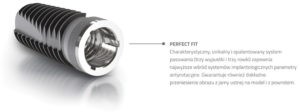
In addition, Camlog® offers a wide selection of prosthetic components with unique solutions, allowing the prosthetist to prepare highly functional and aesthetic restorations to be placed on the implants.
The connectors offered by Camlog® enable the creation of durable, aesthetic and top-quality dental restorations. The well-structured and precise range of prosthetic elements allows for the restoration of a single tooth, a bridge, or a full denture.
Modern Prosthetic Restorations
Implant treatment can take several months; however, during this period, temporary prosthetic restorations can be used, ensuring that the missing tooth remains unnoticeable. This is especially important when a tooth is missing in the so-called aesthetic zone, where gaps are immediately visible.
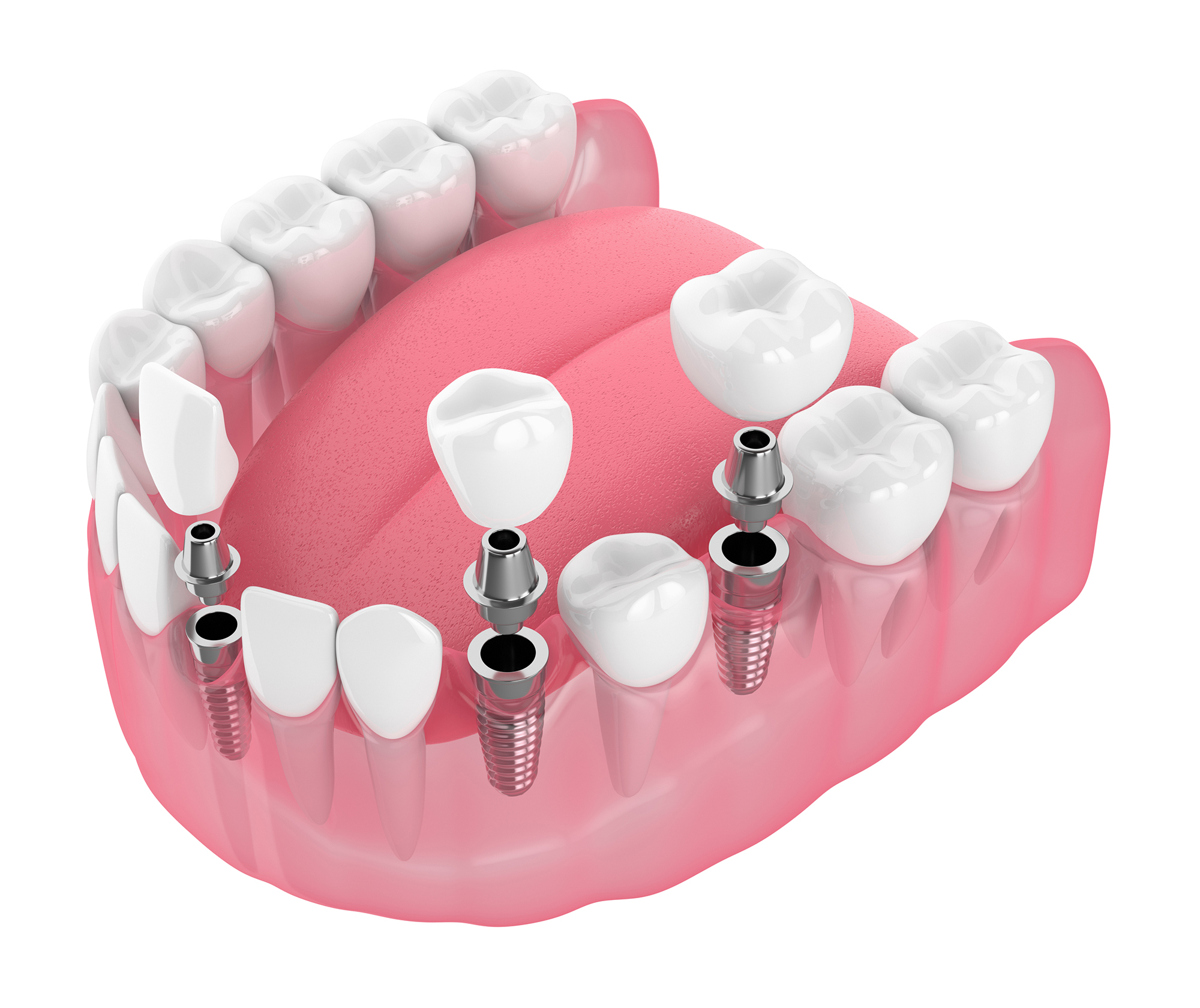
Crowns on Implants
Crowns on Implants – These prosthetic restorations are the best solution for replacing a single missing tooth. To create a crown on an implant, a healing period of 2 to 5 months is required following the implantation, allowing the implant to integrate with the bone. After this, a healing abutment is placed to promote proper healing of the mucosal tissue above the implant and to shape the gum for an aesthetic result.
After approximately two weeks, the dentist removes the healing abutment and attaches the impression transfers to the implant. These transfers allow for a precise replication of the conditions in the mouth and help determine the position of the implant on the model cast by the dental technician. Depending on the location of the implant, an appropriate abutment is selected for the future crown – which may be screwed or cemented onto the implant. This may involve titanium abutments, a porcelain crown on a metal base, or with zirconia abutments, a full ceramic crown is placed. Once the patient approves the shape and colour of the crown, the final restoration is either screwed or cemented into place.
Cemented crowns on implants
Bridges on Implants
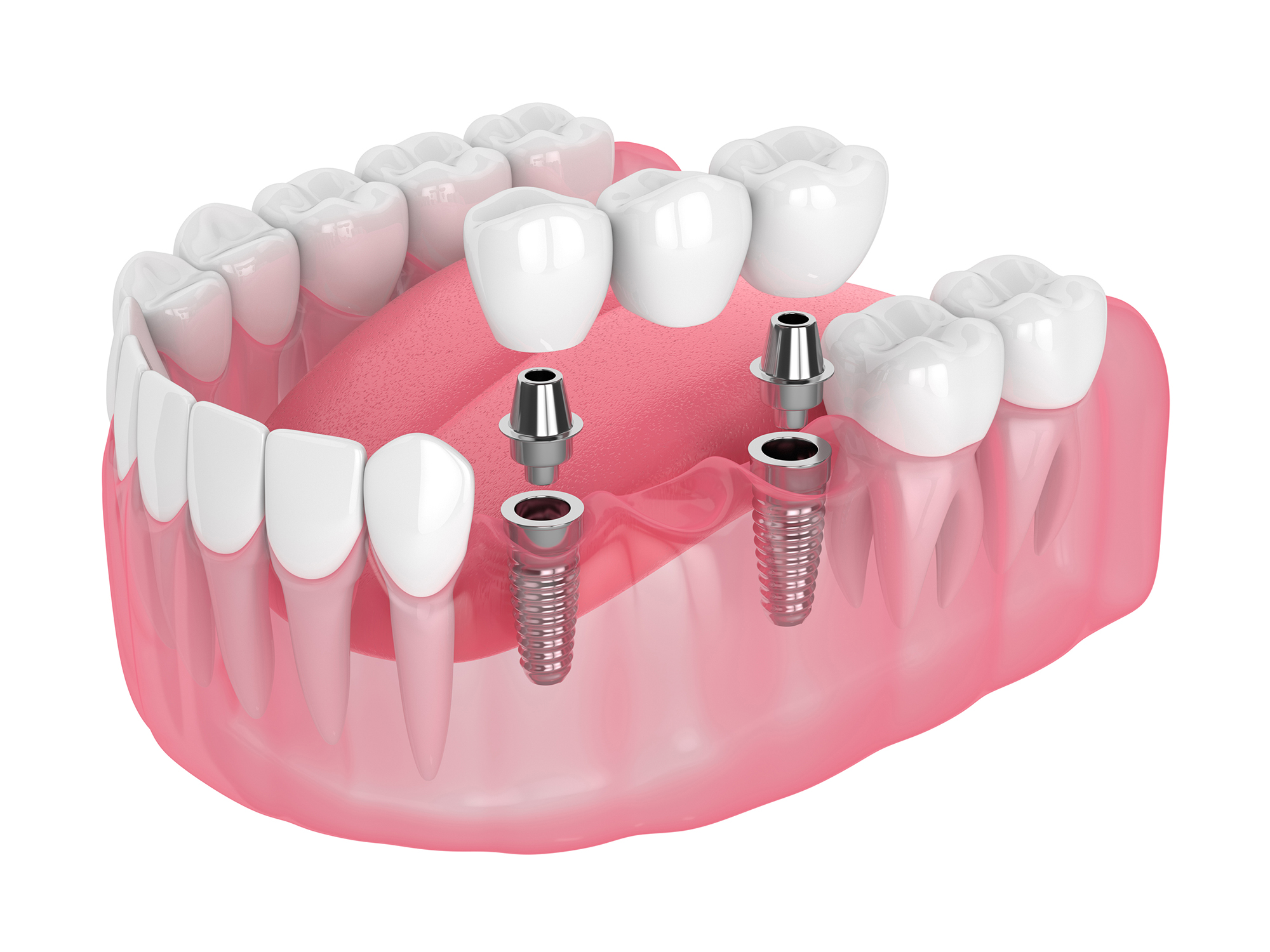
Bridges on Implants – These are an excellent solution for restoring several adjacent missing teeth. The main advantage of this method, compared with traditions prosthetic bridges, is that it does not require grinding down healthy neighbouring teeth, thereby avoiding their irreversible damage.
To create a bridge on implants, a healing period of 2 to 5 months is required after implantation, allowing the implants to integrate with the bone. Once this phase is complete, healing abutments are placed to promote healing of the mucosal tissue above the implants and to shape the gums for an aesthetic outcome.
After approximately two weeks, the dentist removes the healing abutments and attaches the impression transfers to the implants. These transfers allow for precise replication of the conditions in the mouth and ensure accurate positioning of the implants on the model cast by the dental technician. Depending on the location of the implants, an abutment is selected, onto which the bridge will be cemented – with titanium abutments, a porcelain bridge on a metal base is used, or with zirconia abutments, a full ceramic bridge is placed. After the patient approves the shape and colour of the restoration, the final bridge is permanently cemented into the patient’s mouth.
Cemented bridge on implants
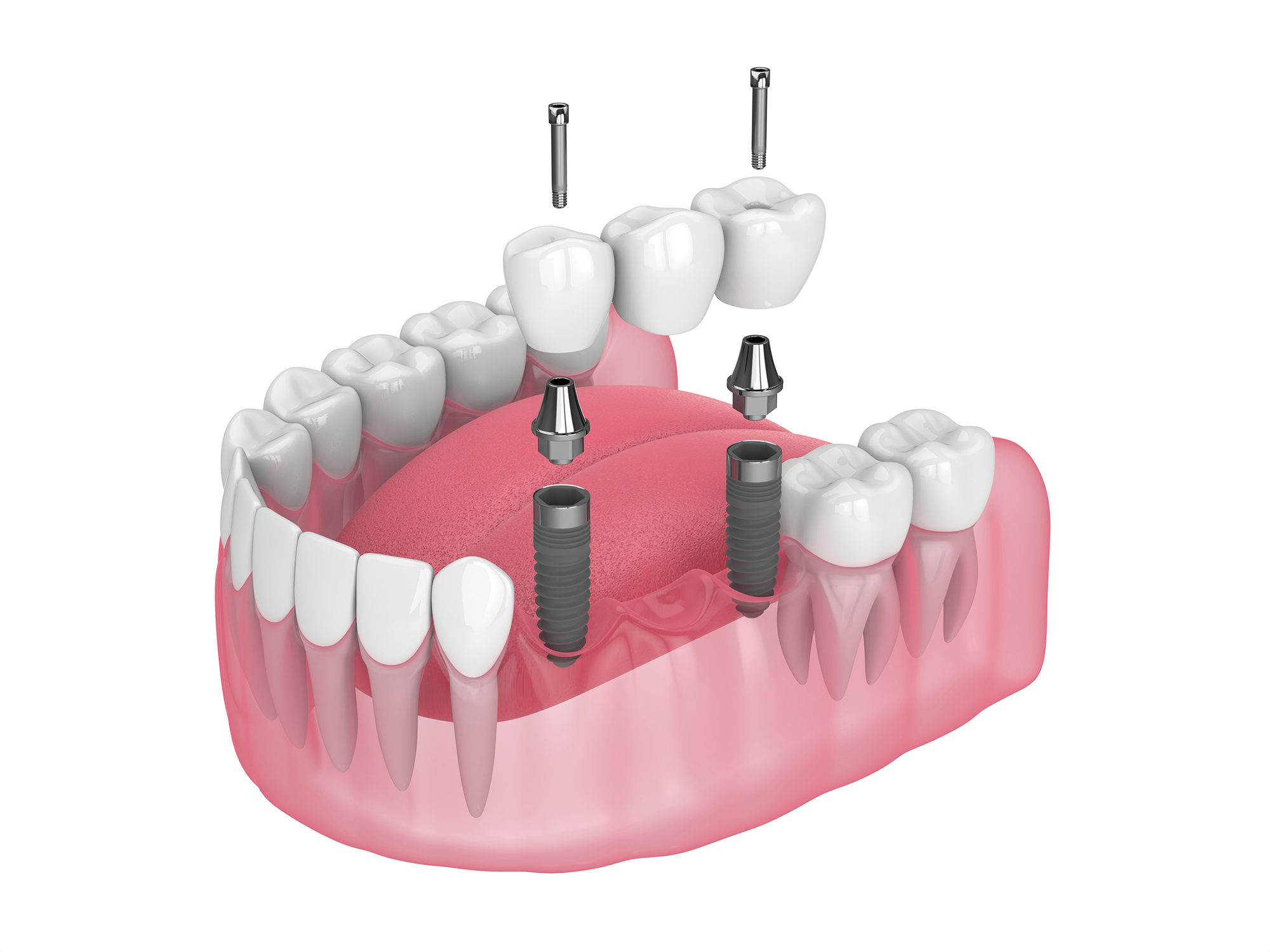
Screw-retained bridge on implants
Partial or Full Denture
Partial or Full Denture Stabilized with Implants restores the aesthetics and functionality of natural teeth. Through osseointegration, the implants form a stable foundation onto which the dentist places the denture using a locator system, bar system, or telescopic crowns. This approach provides a functional and aesthetic replacement for missing teeth. The choice of the connecting system depends on the individual conditions of the patient’s prosthetic site.
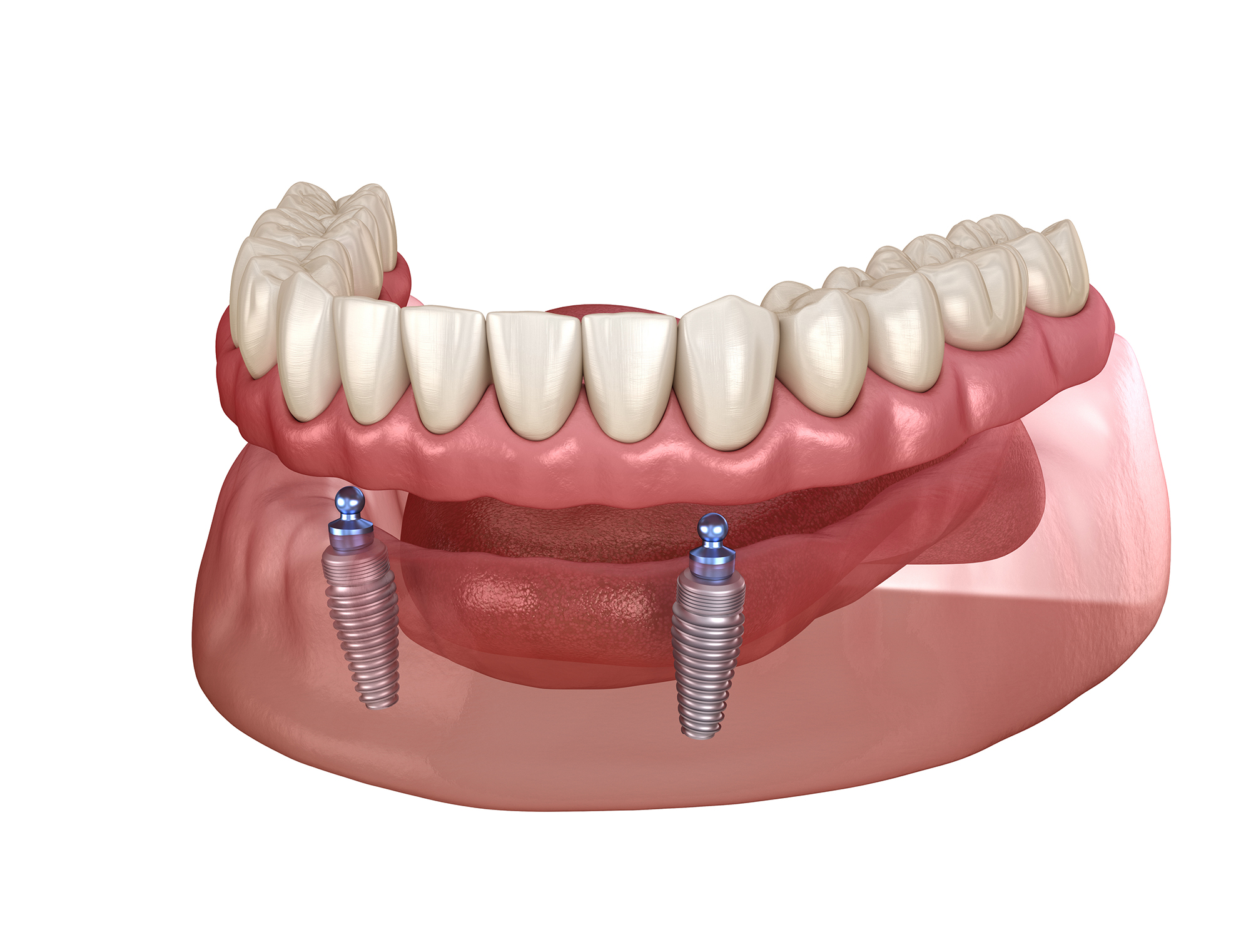
In implant-prosthetic treatment for edentulism – total tooth loss in the upper or lower jaw – placing two implants in the lower jaw and four in the upper jaw significantly improves chewing comfort and denture stability. This prosthetic solution is called an overdenture. An overdenture is a modern type of removable dental prosthesis that attaches to implants using special clips. Its key feature is its excellent stability and comfort, which are significantly greater that those of traditional removable dentures. Thanks to the overdenture, patients can enjoy full oral functionality, allowing them to eat harder foods and speak confidently.
Screw-retained full denture on implants

Full denture on ball attachments on implants
Many clinics offer implants in a single day – but is it really worth it?
There are procedures that can shorten the treatment time to virtually zero, but the indications for using them are very limited. Moreover, they carry a higher risk of failure and require the patient to adhere to stricter post-treatment protocols.
In some cases, quick implantation may actually be more problematic than treatment spread over several visits. It may also happen that certain stages need to be extended, most commonly when additional procedures, such as bone restoration, are required before implant placement.
At our clinic, your needs and long-term health are always our top priority!
Contact Us