



A quick and lasting method for a dazzling smile.
Mask imperfections and enjoy a natural result!
Join our satisfied patients.
Book a consultation today!
Dental veneers are a modern and durable solution in aesthetic dentistry.
It allows you to regain a beautiful and natural-looking smile in a relatively short time. Their main purpose is to mask imperfections of the teeth such as discoloration, minor shape defects, unevenness, cracks, as well as minimize gaps between teeth. Veneers offer versatility and elegance, allowing full customization of your smile to meet the individual needs of each patient.
If you dream of a smile that dazzles with natural beauty and harmony, veneers could be an excellent choice. Learn more about the process of making veneers, the benefits of this solution, and the possibilities they offer. Your new smile is waiting!
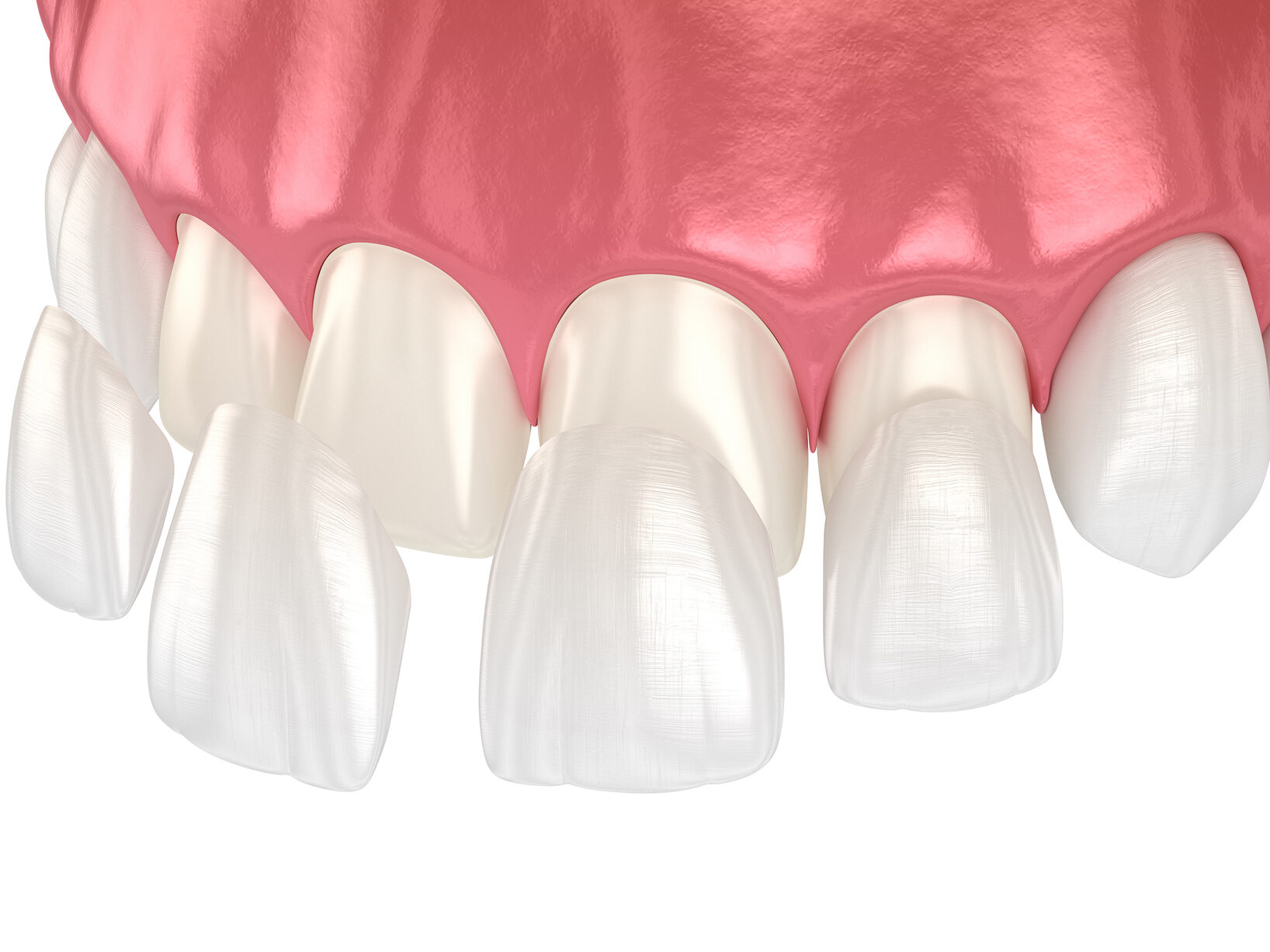
What are veneers?
Veneers are thin layers (usually 0.3 mm to 0.7 mm thick) made of porcelain or zirconia that are placed on the front surface of the teeth. The process of applying veneers is quick and minimally invasive, meaning that the smile transformation can be completed without the need for lengthy treatment.
At Dr. Gajda Clinic, we apply full-ceramic veneers (porcelain) made with the Emax Press system:
- Natural appearance – Porcelain allows light to pass through, perfectly mimicking the color and shine of natural teeth.
- Durability and aesthetics – Resistant to discoloration and damage, ensuring a beautiful smile for years.
- Easier hygiene – The smooth surface reduces plaque accumulation, supporting oral health.
- Safety for tissues – High biocompatibility ensures comfort and eliminates irritation.
Emax Press full-ceramic veneers are the perfect solution for those who want to correct the color, shape, or length of their teeth. Precision, beauty, and durability in one exceptional form!
How are veneers placed?
The process of placing dental veneers consists of several stages:
It is important to remember that getting veneers does not absolve you from maintaining good oral hygiene to prevent discoloration. To keep the veneers in the best possible condition, regular brushing is essential, and you can also use mouth rinses or mouthwashes.
Advantages of Veneers
- Aesthetics: Veneers improve the appearance of teeth, providing a natural effect. They can create a beautiful, white smile.
- Durability: Veneers, especially porcelain ones, are highly resistant to discoloration and damage.
- Minimal Invasiveness: The procedure is minimally invasive, and the teeth require only slight preparation.
- Quick Results: After the veneers are placed, the patient can enjoy a beautiful new smile almost immediately.
- Improved Functionality: In some cases, veneers can also enhance the functionality of the teeth, such as with minor damage.
Disadvantages of Veneers
- Occasional Need for Replacement: Although durable, veneers may wear down or get damaged over time, requiring replacement.
- Require Proper Oral Hygiene: Poor oral hygiene can lead to damage or discoloration of veneers.
- Potential Risk of Damage: In the case of an accidental injury, bruxism, or excessive pressure, veneers may crack or detach.
Indications for Veneers:
Veneers are recommended in the following cases:
- Tooth discoloration that does not respond to traditional whitening methods.
- Aesthetic damage to teeth, such as cracks, shape defects, or irregularities.
- Large gaps between teeth (diastema).
- Changes in tooth shape (e.g., crooked, irregular teeth), also known as quick orthodontics.
- Aging smile, where teeth become dull and lose their natural shine.
Contraindications for Veneers:
Veneers may not be suitable in the following cases:
- Significant tooth damage that requires more comprehensive treatment, such as crowns.
- Gum disease or oral health problems that may affect the durability of veneers.
- Bruxism (teeth grinding) – individuals with this issue may damage their veneers.
- Excessive cavities or lack of proper oral hygiene.
How to Care for Veneers?
Veneers are a significant investment, so it’s essential to take care of them to ensure they last as long as possible. The key steps are:
- Maintain oral hygiene – regular tooth brushing, using dental floss.
- Regular check-ups with the dentist – ideally every 6 months.
- Avoid harmful habits – such as nail-biting, opening bottles with your teeth, or other actions that can damage veneers.
- Limit consumption of staining foods – coffee, tea, red wine, and some fruits.
- Wear a mouthguard – if you suffer from bruxism, consider a night guard to protect against teeth grinding and clenching, which can wear down veneers faster.
Are Veneers Safe and Do They Cause Cavities?
Yes, veneers are a proven and safe way to achieve a beautiful smile. As long as the procedure is performed by an experienced dentist who properly shapes the teeth and fits the veneers, the risk of complications is minimal. However, some temporary tooth sensitivity or gum irritation may occur right after the procedure, but don’t worry, it will pass.
If the procedure is done correctly and you maintain good oral hygiene, veneers themselves do not cause cavities. Problems may arise if there is excessive enamel loss or poor-fitting veneers, allowing bacteria and food particles to accumulate between the veneer and the tooth. Therefore, regular check-ups and following the dentist’s recommendations are essential.
Contact Us